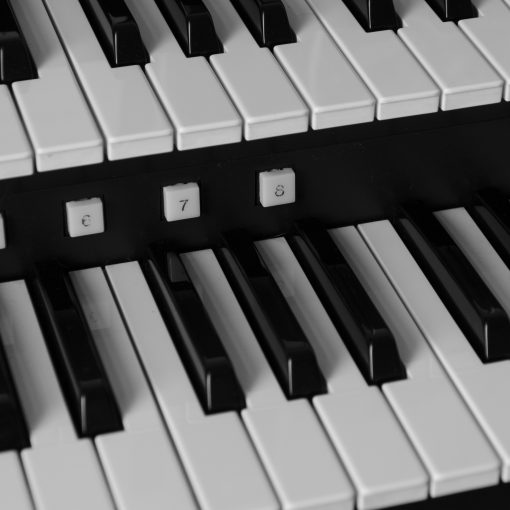
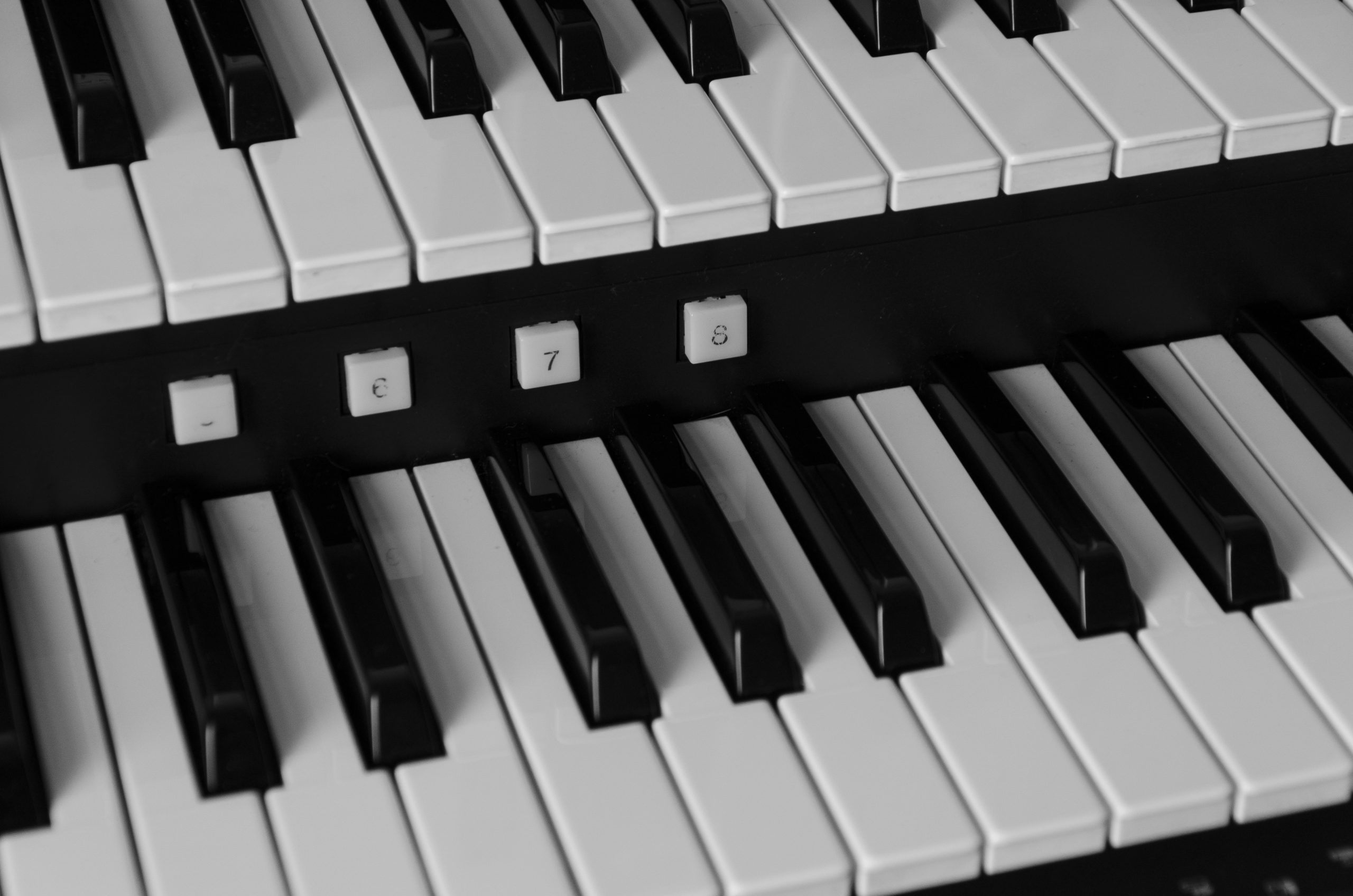
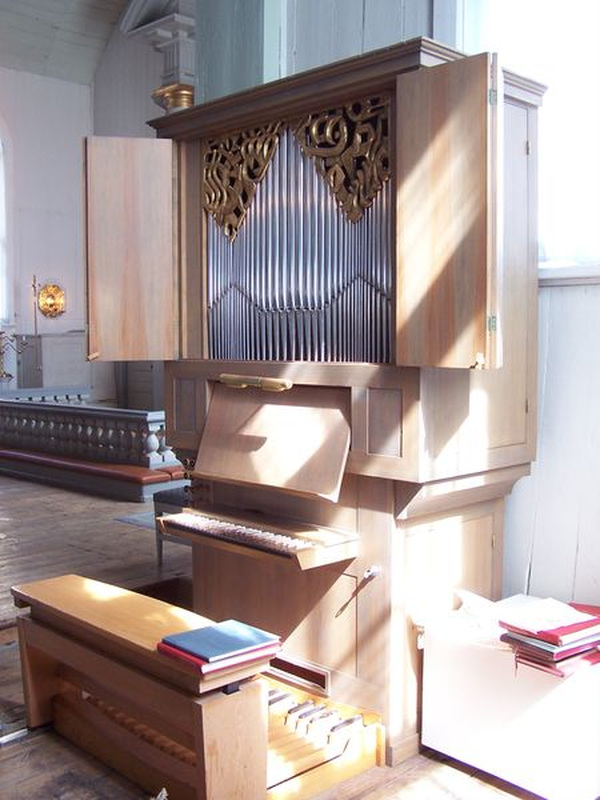
Home organs have been around for hundreds of years. The earliest home organs are miniature church organs with pipes. They are often more correctly known as residence organs, portative organs or positive organs. They can be traced as far back as the 16th century. I suspect that they were only owned by wealthy people with large houses.
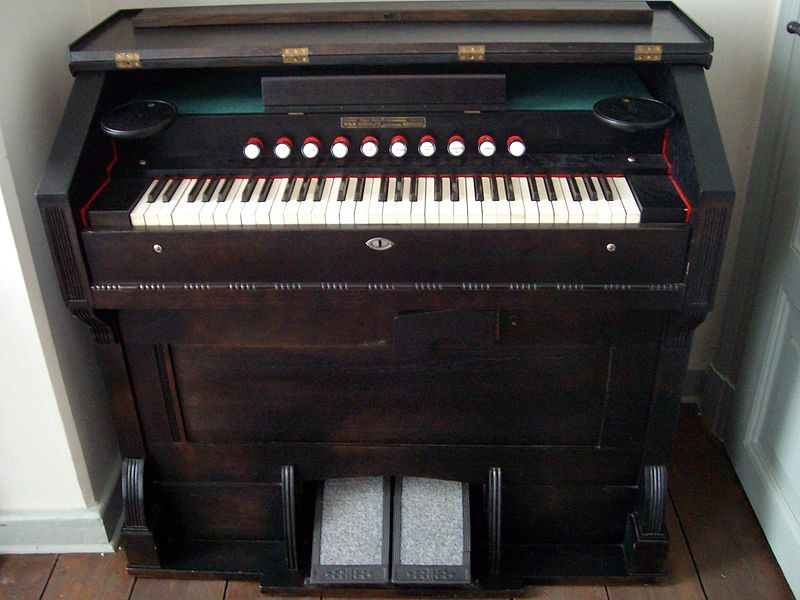
Another group of early home organs are the American Reed Organ, Harmonium or Reed Organ. These were very popular in the 1800s. Similar in size to a piano, these were common in regular family homes.
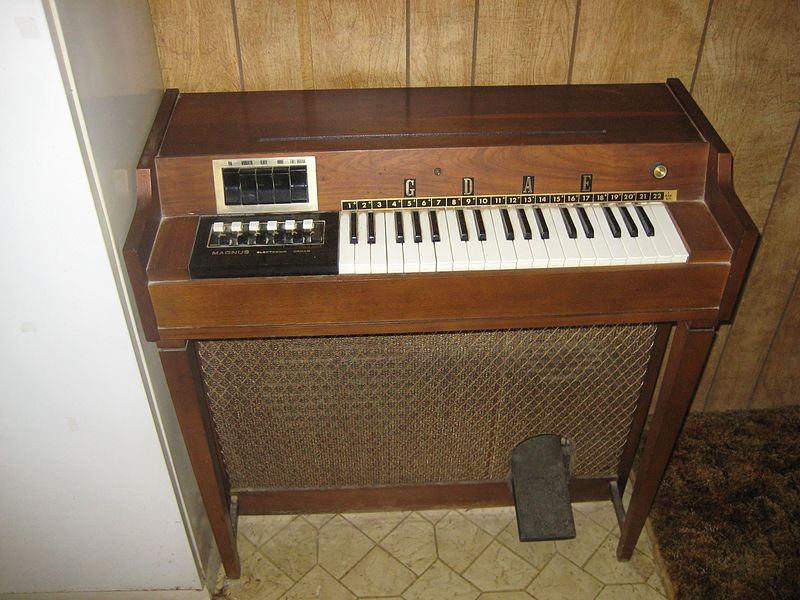
The 1930s saw electric powered organs being invented. Many were loosely based on the Reed organs, but with electric amplification and sometimes electric circuitry to produce a range of tones.
The 1930s also saw the invention of the tonewheel organ, by Laurens Hammond. The Hammond organ generated its tones using an electromechanical system and avoided the need for reeds.
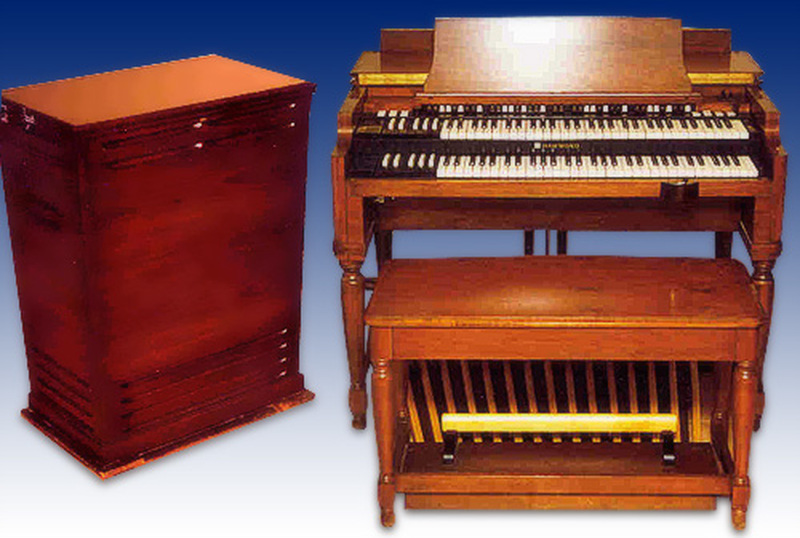
By the 1940s, a number of companies were making electric organs. Although large in size, they could be fitted into many family homes.
Technology soon started to progress at pace. The 1950s to 1970s saw huge progress being made and the home organ became very popular.
Many of the companies making home organs were American, such as Hammond, Lowrey, Thomas, Gulbransen and others. Italy also had many home organ manufacturers such as Farfisa, Bontempi, Elka, Orla and more.
The third major country responsible for making many home organs is of course, Japan. Companies such as Yamaha, Kawai, and Technics.
Many other countries had home organ manufacturers, including Germany, The Netherlands and even England!
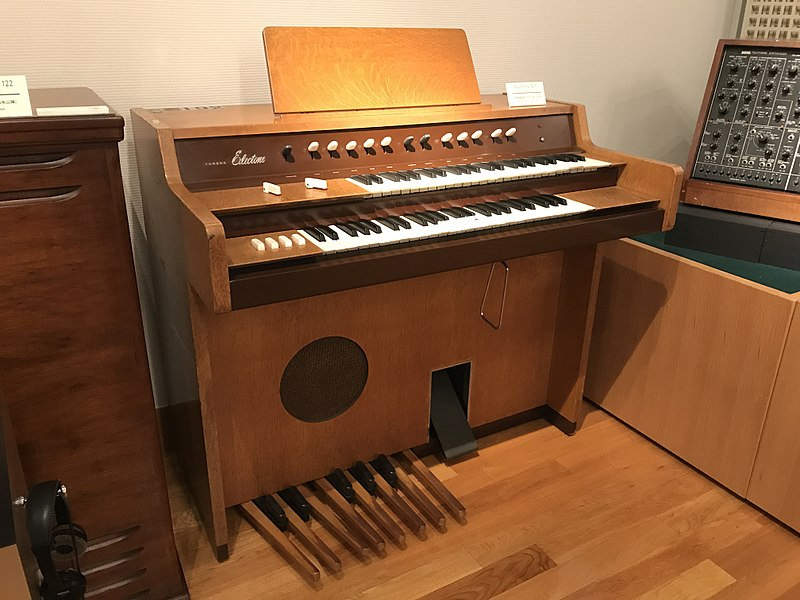
The 1980s saw massive improvements in the accuracy of the sounds made by home organs. Computerisation and microchips were being used widely in home organs.
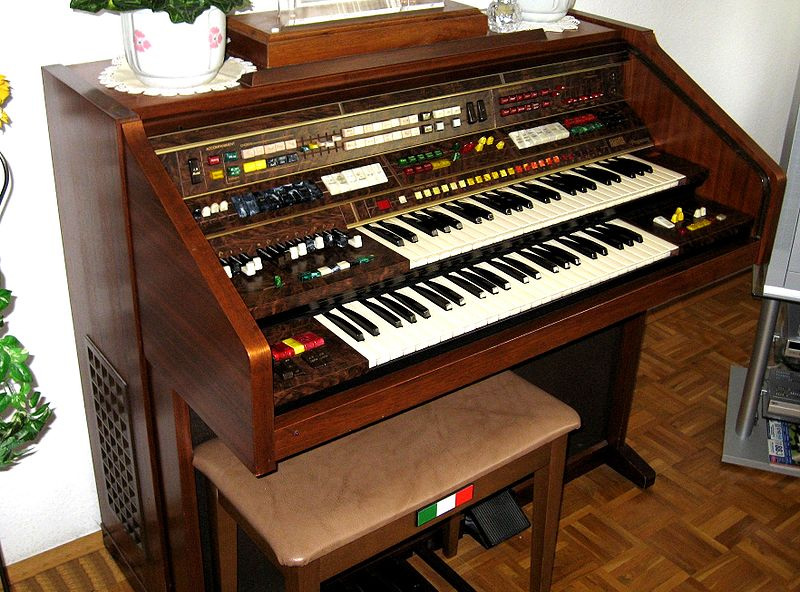
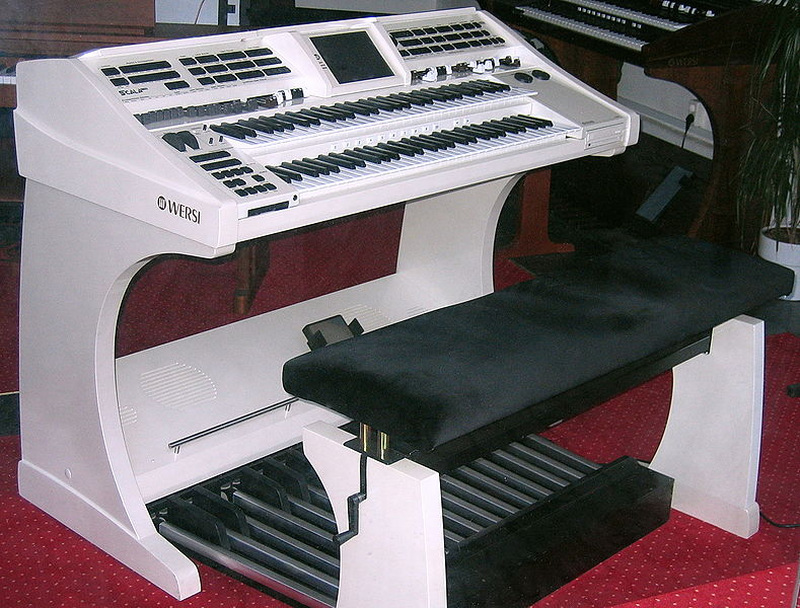
Sadly though, the bubble burst and by the 1990s, home organs were declining in popularity. Many manufacturers either closed or diversified away from home organs. Today, it is difficult and very expensive to buy a brand new home organ, but there are still a handful of manufacturers, notably Ringway, Estey and Wersi.
How would I define a “Home organ”?
For me, a home organ should be a self-contained unit. It should have 2 keyboards, a pedalboard, built in sounds and built-in speakers. Generally, I would expect a home organ to be built around a wood cabinet.
Most home organs are called “spinet console” organs. They usually have 2 keyboards with either 44 or 49 notes each and a pedalboard with 13 to 21 short pedals.
There are some larger organs with 2 keyboards of 61 notes each and a pedalboard of typically 25 or more long pedals.
These organs do take up considerably more space than a spinet organ but can still be accommodated in a large family home.
A home organ should be able to sound like a church organ, a cinema or theatre organ and a drawbar or jazz organ. It should be able to mimic the sounds of real instruments such as piano, clarinet, strings, brass, guitars etc.
A home organ typically includes auto accompaniment features. These include drums or rhythm and can include orchestrated backings.
These features mean that the home organist can play just about every genre of music by their self.
Is it possible to buy a new home organ today?
The answer is, yes. There are still a handful of manufacturers today. The modern home organ is bristling with technology and can access hundreds of features and sounds.
I’m confident that I could find the ultimate home organ.
However, there is a catch. It’s possible today to spend the best part of £20,000 on a home organ. For me, that is considerably outside of my budget.
The purpose of my project is to build the ultimate home organ on a shoestring budget.
In my next article I’ll take a close look at computers and music, as the home computer is going to be very important in building the ultimate home organ!